ABHA Health ID: Records, Consent and Insurance Explained
An Ayushman Bharat Health Account, or ABHA, helps identify you within India's digital health ecosystem and connect eligible digital health records. It is useful to distinguish this record-management role from an insurance policy or eligibility under a healthcare-benefit scheme.
What ABHA can help you do
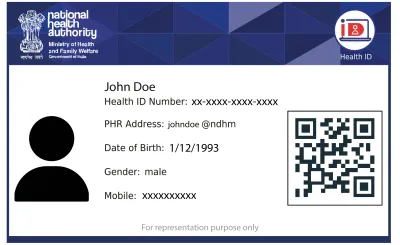
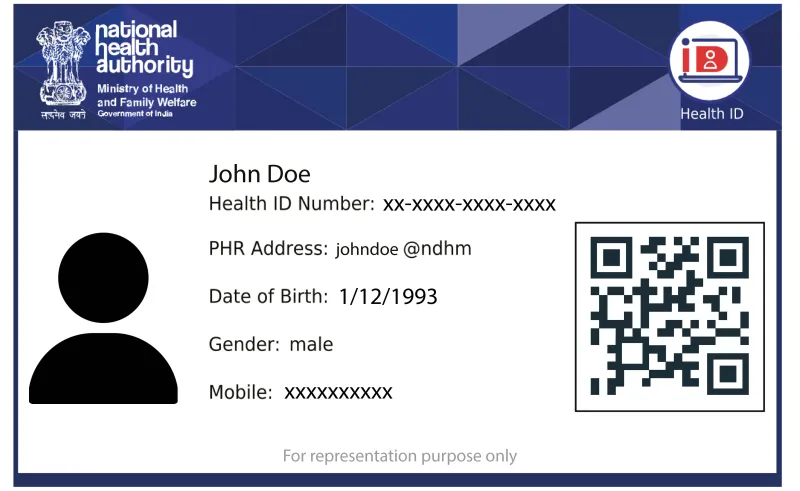
The National Health Authority describes ABHA as a 14-digit identifier. An ABHA-enabled personal health record application can help you link, view and manage records such as prescriptions and laboratory reports, and share records with healthcare providers through consent. See the official ABHA brochure.
Creating an identifier does not mean every previous consultation, scan or prescription automatically appears in your account. Check which records have actually been linked and ask the relevant healthcare facility about missing or incorrect information.
Your records are not all stored inside the number
ABDM's design uses a federated system: records can remain with different participating information systems while being made accessible through permitted exchanges. An ABHA number is not a central file containing your entire medical history. The Health Data Management Policy explains this decentralised approach and the role of consent.
Before approving a sharing request, check the recipient, the records requested and the stated purpose and duration. Use the consent controls available in your application. Do not assume that having an ABHA number gives every hospital or insurer unrestricted access to your records.
ABHA and insurance have different roles
Creating an ABHA number does not itself buy a health insurance policy, activate cover or establish eligibility for a healthcare-benefit scheme. The relevant policy or scheme still determines what is covered and what conditions apply.
Digital records and connected claims services can support administration. The Government's ABDM overview describes the National Health Claims Exchange. This should not be read as a promise of automatic claim approval, a particular payout or a fixed settlement time.
Practical checks before you share
- Use official ABDM information and verify the application or service you are opening.
- Check linked records for accuracy; keep copies of documents you may need for treatment or a claim.
- Ask your insurer which documents and authorisations its claim process requires.
For insurance questions, explore our health insurance guide. Keep record-sharing decisions separate from choosing an insurance product.